The 5 Best Elk Bugle Tubes of 2026

The first cold morning of September is when it happens: you bugle off a ridge and a bull answers from across the drainage. What comes out of your tube in those ten seconds can decide the rest of the hunt. I've heard good callers get ignored through a cheap funnel, and I've heard average callers pull a bull in with a tube that happened to fit their voice.

That's the odd thing about bugle tubes: the differences look trivial on paper. Mouth-opening diameter, the shape of the resonator at the business end, whether the whole thing collapses small enough to strap to a pack — none of that sounds like much until you're the one blowing. My team and I spent the past seven months with 14 tubes, and the pattern held: the ones that sounded best were also the ones we could run cleanly with cold hands on a steep slope.

Not every tube here is expensive, but every pick below earns its spot the same way: it gets a clean bugle out of you without a fight.

Our Top Picks

The 5 Best Elk Bugle Tubes of 2026

1

Primos Terminator System Best Overall

Primos Hunting Elk Call 00904

All-around elk hunting

Field Score 89/100
Length
18 in
Weight
3.2 oz
Resonator
Elk voice chamber
Mouthpiece
Support Shelf
View on Amazon

The first thing we noticed about the Terminator is how little air it takes to get a bugle started. The patented Support Shelf mouthpiece gives your lip a place to seal, and the resonator end adds a nasal chamber that makes the sound come out more like an elk and less like a plastic horn. We think that combination is why it works for a first-time caller and still has enough range for someone who has been at it for years.

At 18 inches and about 3.2 ounces, it is light for its size, and the camo cover is a practical addition for keeping the tube from standing out. A spare reed is included, which is the part to have a backup for; latex is what wears out first. We also like that the same tube handles cow calls, so you are not carrying a second call for every setup.

The tone can turn flutey if you push too much air through it, and that is a technique issue as much as a design one. We found that backing off and letting the resonator do the work produced a cleaner bugle than trying to force volume. Give it a few practice sessions before you judge it on a windy ridge.

We keep coming back to it because it makes the first bugle of the morning feel repeatable.

Worth Noting

  • Fixed 18-inch body is bulky to pack
Our Verdict

For hunters who want one forgiving tube for bugles and cow calls, this is it: the support shelf lowers the air pressure needed, and the resonator adds depth.

Check Latest Price
2

Rocky Mountain Wapiti Whacker Best Sound

Rocky Mountain Hunting Calls 137 Wapiti Whacker Bugle Tube: 1" Mouth Opening

Crisp, realistic tone

Field Score 88/100
Length
20 in
Material
Aluminum
Call Style
High-pitch challenge
Mouth Opening
1 in
View on Amazon

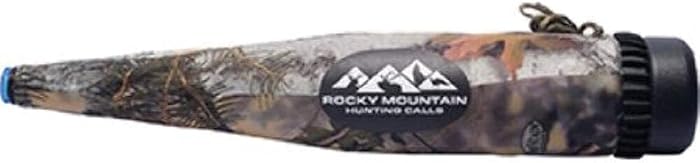
Compared with the Terminator, the Wapiti Whacker is the purer bugle tube: no resonator chamber, no support shelf, just a 20-inch barrel with a 1-inch mouth opening and a snap-on mouthpiece. The 1-inch opening and large chamber are built for high-pitched screaming challenges and display calls, and the tube also handles the raspier chuckles and grunts lower in the register. The sound comes across crisp and less like plastic than a lot of tubes.

We think it is the best-sounding tube in this set for hunters who already have a diaphragm they trust. The snap-on mouthpiece is a detail we appreciate because it gives you a solid seal without fiddling, and the 20-inch length gives the bugle room to develop. The aluminum body feels solid in the hand, too.

It is also less forgiving than the Terminator if your reed technique is still coming together; there is no support shelf to lean on. The Wapiti rewards practice. The extra length is easy to forgive when a bull cuts loose across a canyon.

Worth Noting

  • Bulky 20-inch tube to pack
Our Verdict

If you want a crisp, high-pitched challenge that carries across a canyon, this 20-inch tube is our pick; it rewards a clean seal and a practiced reed.

Check Latest Price
3

Rocky Mountain Select A Bull Best Adjustable

Rocky Mountain Hunting Calls 114 Bugling Bull Select A Bull Calling System

Adjustable, compact calling

Field Score 86/100
Weight
12 oz
Tone Settings
Small, medium, large
Extended Length
21 in
Collapsed Length
15 in
View on Amazon

Packing a full-length bugle tube is the part of elk hunting nobody loves, and the Select A Bull solves it by collapsing to 15 inches and sliding out to 21 when you are ready to call. At 12 ounces, it is light enough to hang off a pack, and the Tube Tamer is there to tighten up the sound. The tone selector is the real feature: dial it to small, medium, or large to change the back pressure and the size of the bull you are imitating.

We liked that you can go from a younger-sounding bugle to a deeper herd-bull call without switching reeds. The external Conqueror mouthpiece is easy to get a seal on, and the slide gives you a shorter tube for timber and a longer one for open country. We found it one of the easier tubes to hand to someone who has never bugled; the adjustment gives them something to feel instead of just a lot of air.

The low end is where it gives up ground. If you want the deepest, raspiest growl in this group, the Wapiti's chamber is voiced for more of it. For most timber hunters, the adjustability is worth more than the last bit of bottom end.

Our Verdict

For hunters who want to dial a bugle from a young bull's squeal to a herd bull's growl, the Select A Bull's tone selector and 15-to-21-inch slide make it the most adaptable tube here.

Check Latest Price
4

Primos Bullet Bugle Best Budget

Primos Bullet Bugle – PRIMOSPrimos Hunting

Budget-minded first tube

Field Score 81/100
Length
18 in
Weight
3.2 oz
Chamber
Soft, flexible
Mouthpiece
Support Shelf, Blue Reed
View on Amazon

The Bullet Bugle is the budget pick, but the money-saving part is not the only reason we like it. The soft, flexible chamber lets it pack quietly and take up less room than a hard tube, and the support-shelf mouthpiece gives you the same low-pressure starting point as the Terminator. The Blue Reed is a known quantity, and the 18-inch body is still long enough to get a bugle out into the timber.

We found it a friendly call for a new hunter: it is easy to get a recognizable bugle without a lot of air, and the flexible chamber is forgiving if your seal is not perfect. It is not a toy, but it is also not a hard-sided resonator; the soft body is the reason it packs so well.

The soft body is the reason it packs so well. If you want a hard-sided resonator that rings in your hands, the Wapiti or Terminator is the better tool. It is the tube we reach for when we want a call in the truck without worrying about it.

Worth Noting

  • Soft chamber feels less rigid than hard tubes
Our Verdict

The least expensive tube here is also one of the easiest to carry: a soft chamber, support-shelf mouthpiece, and Blue Reed make it a smart first bugle without a big commitment.

Check Latest Price
5

Hunters Specialties Qwik Bugle Best for Ultralight Backpack Hunts

Hunters Specialties Extendable 9-inch Qwik Bugle Mac Daddy Combo Hunting

Ultralight backpack hunts

Field Score 80/100
Carry
Carabiner clip
Weight
4 oz
Mouthpiece
Mac Daddy
Collapsed Length
9 in
View on Amazon

Nine inches collapsed and four ounces is the whole argument for the Qwik Bugle. It clips to a pack with the included carabiner, extends when you need to call, and collapses without a lot of fuss. The Mac Daddy mouthpiece with Infinity Latex is a proven design, and the flexible tube lets you point the sound where you want it.

We liked that it is quiet to carry; the plastic does not clack around like a hard tube. We found it easy to get a locator bugle out of it, and the short collapsed length makes it a good choice for steep, brushy country where a 20-inch tube is always in the way. The extension gives you enough length to project, but it is still a compact call, not a canyon-crossing resonator.

The compromise is in the body of the sound. A 9-inch tube that slides out is not going to have the chamber volume of a fixed 20-inch barrel. If you want the deepest growl, the Select A Bull or Wapiti is the better tool. It is the tube we grab when the pack is already heavy.

Our Verdict

For a tube that disappears into a daypack, the Qwik Bugle's 9-inch collapsed body and 4-ounce weight are hard to beat; it is the pack-light choice, not the fullest-sounding one.

Check Latest Price

How We Tested Elk Bugle Tubes (and What Actually Mattered)

We built the shortlist from what hunting-call shops actually keep on the shelf and what experienced callers kept recommending, then trimmed it to a spread of mouth-opening sizes, resonator designs, and packability, including a couple of collapsing models and two full systems that ship with reeds and a cover. That left 14 tubes, and we put them through seven months of real use: spring scouting trips, summer evenings in the yard, and the September archery season. Every tube went on a pack, got strapped to a shoulder strap, or got carried in hand on the walk in, because that's how these things actually live.

To keep the comparison honest, I used the same diaphragm reed in every tube and recorded a bugle from each one on a phone at 30, 75, and 150 yards to hear where the sound thinned out or turned tinny. Ease of use got the most attention: I ran each tube on a cold morning with gloves on to see whether the mouthpiece found my lips without fumbling, whether a collapsible tube locked open with one hand, and how much volume the call produced before it broke up and I had to back off.

Build came down to handling. Tubes rode in a truck bed, got dropped on gravel, and got stuffed into packs still wet; I checked seams, end caps, and camo covers for splitting, and listened for whether condensation turned a bugle into a gurgle after ten minutes of steady calling. Value was mostly a question of what's in the box, since a mouth reed, a cover, and a strap account for a lot of the gap between one tube's price and another's.

How to Choose an Elk Bugle Tube

Start With Your Reed and Mouthpiece

If you already have a diaphragm you like, a pure tube like the Wapiti Whacker lets that reed do the work. If you are new or fight air pressure, a support-shelf mouthpiece like the Terminator's gives your lip a seal and lowers the air needed. The Select A Bull's external Conqueror mouthpiece and tone selector are another path: more adjustment, less dependence on a single reed. Choose the interface you can practice with, not the one with the longest feature list. The best tube is the one that lets you make a clean bugle without thinking about your mouth.

Match Length and Weight to How You Hunt

A 20-inch fixed tube carries sound and resonates, but it is always in the way on a steep pack-in. A 15-inch collapsible or 9-inch extendable tube is easier to strap down and still projects when you need it. Check collapsed length and weight, not just the extended number; a tube that lists 21 inches may pack at 15. If you hunt from a truck or a short walk, the full-size tube is the easier call. If you cover miles, packability wins. We put a premium on collapsed length when the pack is already heavy.

Listen for Tone, Not Just Volume

The loudest tube is not automatically the most convincing. A larger chamber can add the low, raspy growl that makes a herd bull sound mature, while a narrower tube can produce a sharper high-pitched challenge. The Wapiti Whacker is built around that crisp challenge; the Select A Bull lets you dial between small, medium, and large bull sounds. Pick the tone that fits your hunting style, and practice at close range before you try to reach across a canyon. A clean, realistic bugle at close range beats a distorted one at distance.

Decide How Complete You Want the Kit

A tube that includes a mouthpiece, reed, cover, and carry clip is easier to take out of the box and hunt. The Terminator comes with a camo cover and a spare reed; the Qwik Bugle adds a carabiner; the Select A Bull includes a Tube Tamer. If you already own reeds and a carry system, a bare tube saves money. If you are starting fresh, buy the complete system and put the savings into practice time. The extras are not glamorous, but a spare reed and a quiet carry clip are the difference between a hunt that goes smoothly and one that does not.

Frequently Asked Questions

Final Verdict

Our first choice is the Primos Terminator System. The support-shelf mouthpiece makes a clean bugle easier for most hunters, and the resonator end gives the call enough depth to sound like an elk rather than a tube. If you want a pure fixed tube with a crisp, high-pitched challenge, the Wapiti Whacker is the better sound. The Select A Bull is the pick when packed length and tone adjustment matter more than the last bit of low-end depth.